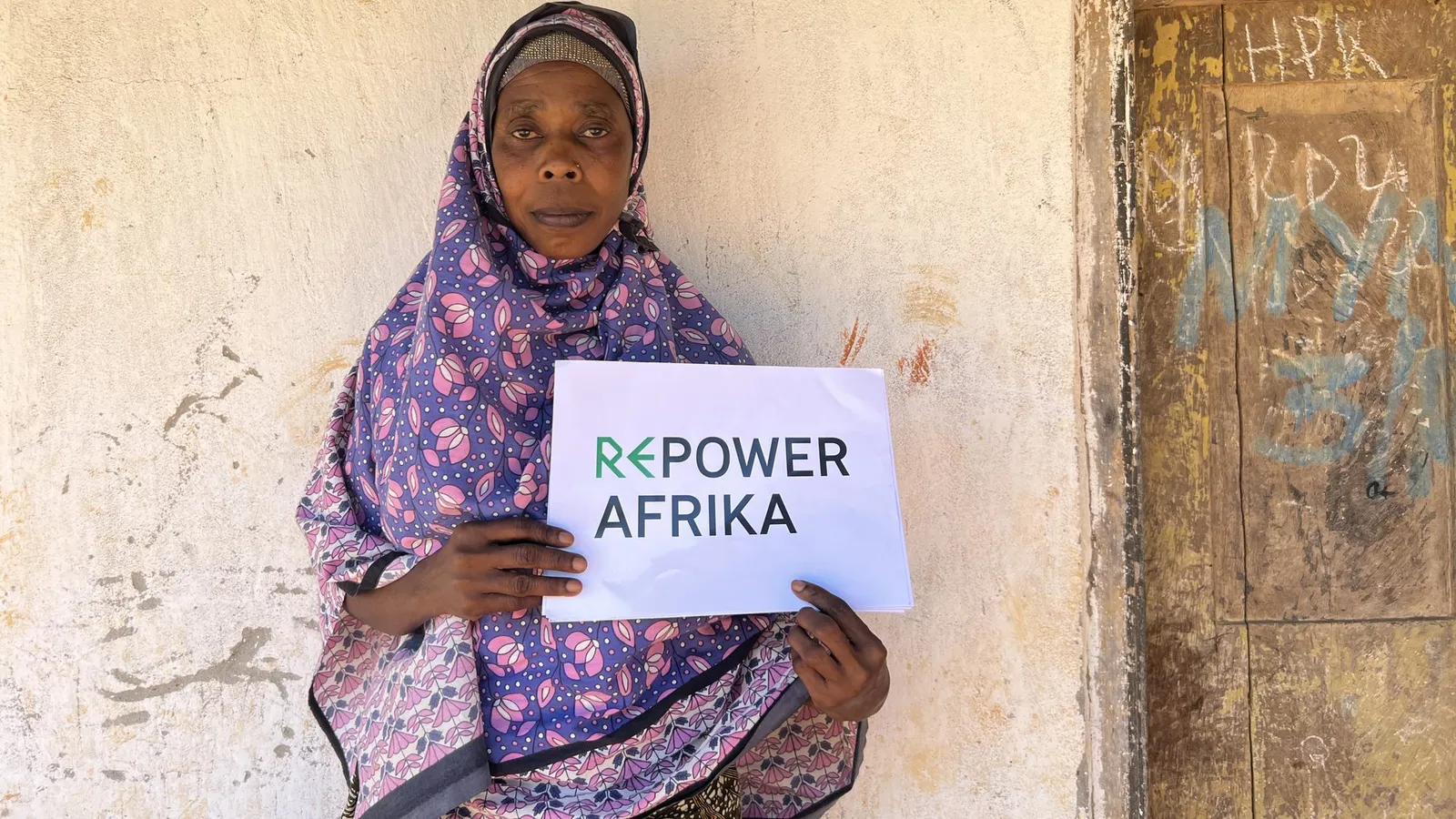
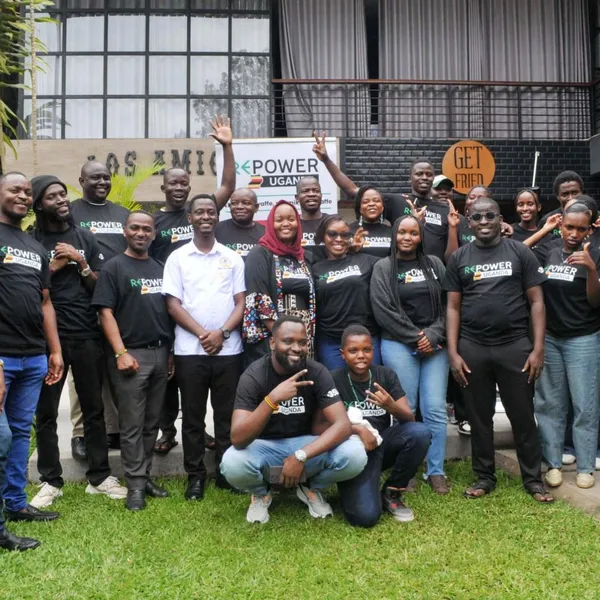
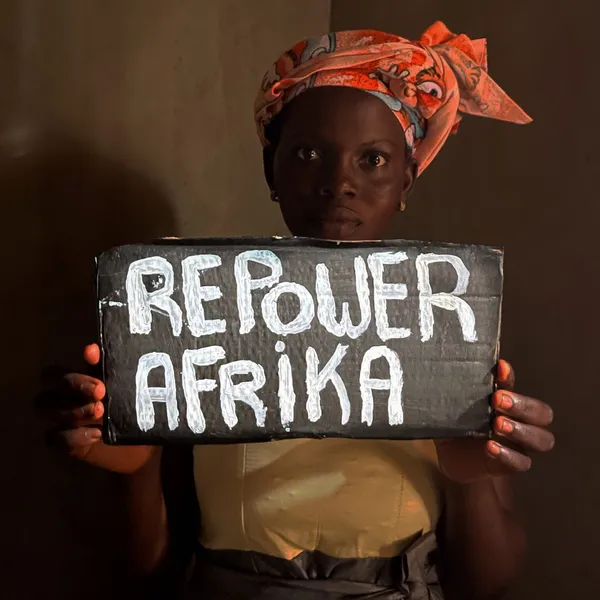
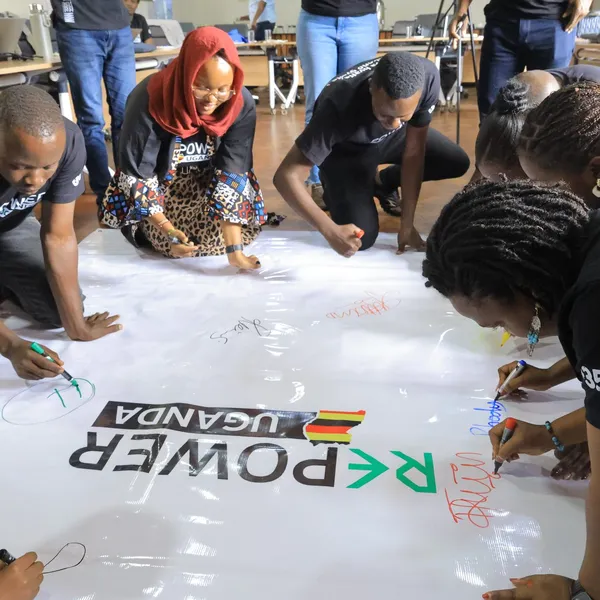
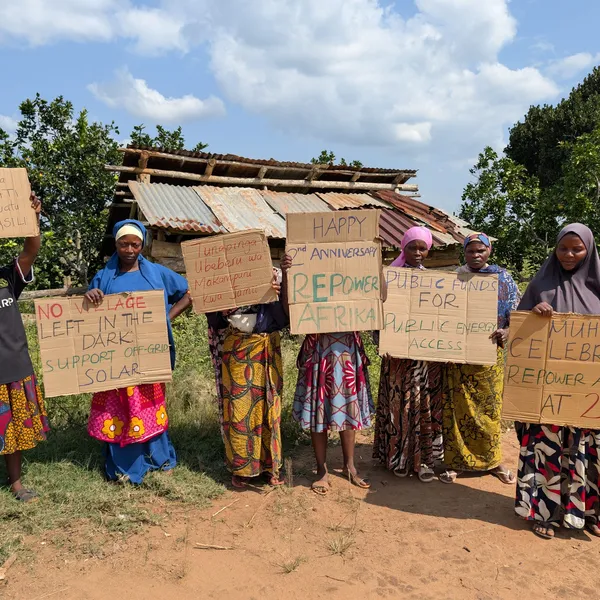
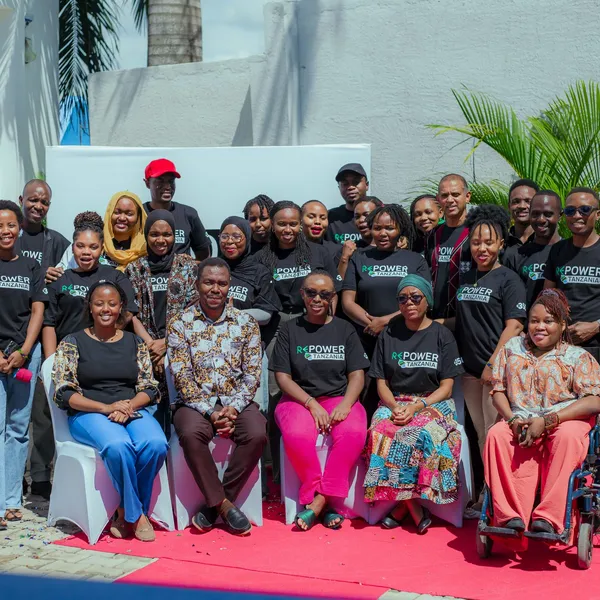
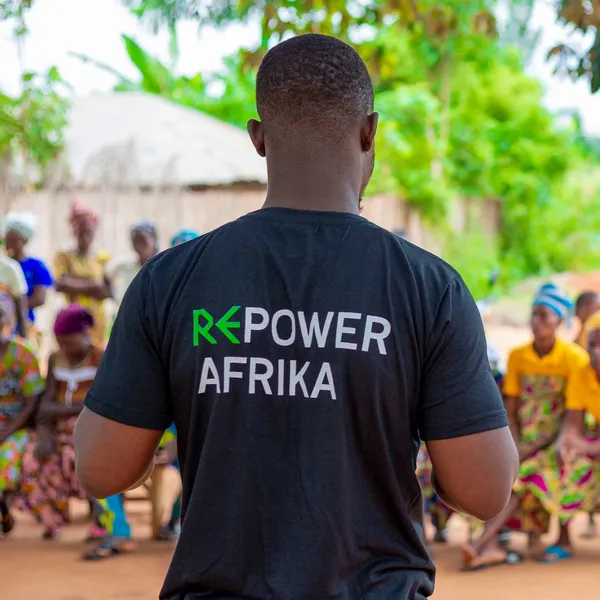
Communities in Africa are raising their voices to demand support and funding to community-led renewable energy Add your voice now:
We are the voices of Africa. We are mothers and fathers, children and elders, farmers and teachers, and we are witnessing the devastating impacts of the climate crisis every day.
As our lands dry up and our homes flood, our people die and our children lose hope of a better future. The urgency for a just transition away from fossil fuels to safe, renewable energy alternatives rooted in justice has never been clearer. Enough is enough.
Seventeen out of the twenty countries most threatened by climate change are here in Africa. Recently, East Africa experienced severe rains that caused flooding, hundreds of deaths, displacement, and extensive damage to property and infrastructure in Kenya, Tanzania, and Burundi.
Despite these alarming trends, the fossil fuel industry and some governments continue to expand fossil fuel infrastructure, such as the East African Crude Oil Pipeline (EACOP). This project is a ticking carbon bomb.
But we are not victims. We are resilient communities fighting back.
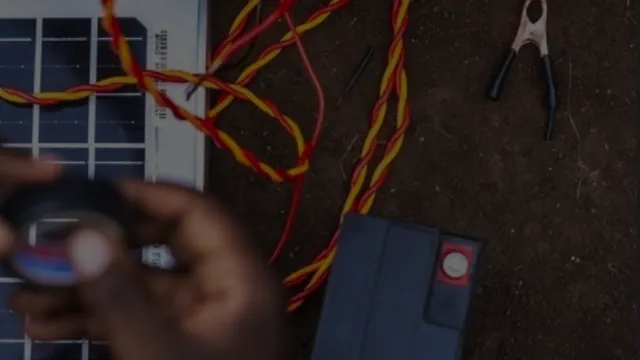
A hundred communities in Uganda and Tanzania, threatened by the destructive mega-pipeline, are about to become a powerful symbol of climate resistance and hope across Africa. To stand up to the power of the fossil fuel industry all around the continent, we will work together to build a real alternative, and bring clean solar energy to local people.
As we make this vision reality, we need support - funding and political will. That’s why together, we’re calling on African Nations and Global North leaders to:
- Prioritize Investment in Community-Led Renewable Energy Projects: Allocate significant financial resources to support decentralized and community-driven renewable energy initiatives that directly benefit local populations and empower communities.
- Create Enabling Policies: Implement policies and regulations that streamline the deployment of renewable energy technologies and attract substantial investments in the sector.
- Stop Financing Harmful Fossil Fuel Projects: Redirect funds from fossil fuel projects like EACOP towards sustainable and equitable renewable energy solutions.
- Support a Just Transition: Commit to a just transition that not only addresses climate change but also fosters economic development through the creation of green jobs, improving energy access, and enhancing environmental sustainability.
Please add your name in support of our demands. Sustained, widespread international pressure will help us hold our leaders accountable, and build broad public support to community-led renewable energy across Africa.
Read more about the REPower Afrika campaign on our website.