There are two reasons why I am excited about this month’s newsletter.
One – our actions over the last few weeks have directly resulted in major wins for climate solutions. In fact, the loss and damage fund petition you supported last month? Well, now rich countries have just appointed a board for the Fund, a much awaited step in the right direction.
And the second reason is a more celebratory one!
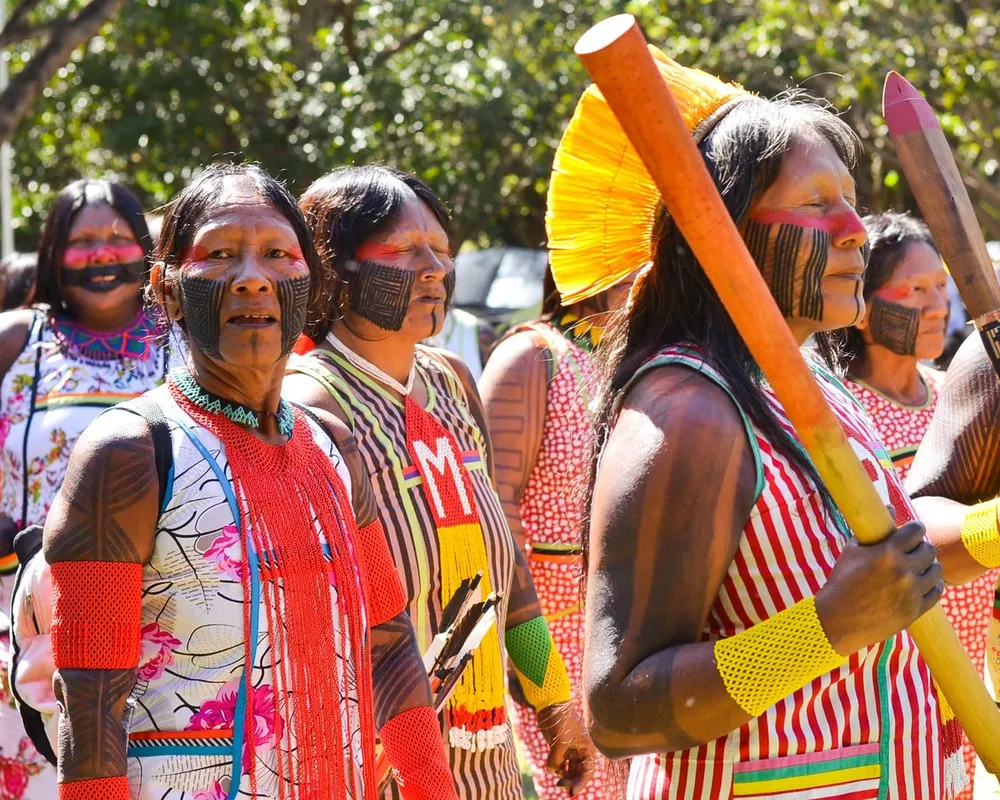
March is a special month dedicated to women. It gives us the well-awaited opportunity to underscore how women are at the forefront of the climate crises.
Head over to our Instagram page where we celebrate Women’s History Month in a 3-part video series. Photo Credit: 350.org
We know that women and marginalized communities face the brunt of climate impacts. Incredibly, it is these very women who are driving systemic change in climate action. From grassroots movements to boardrooms, they are pioneering innovative solutions and amplifying vulnerable voices. Across the globe, women are deeply connected to communities and environments. This connection fuels their determination to protect our planet for future generations. Women’s leadership isn’t just crucial, it is the essence of our climate action.
In that spirit, we dedicate this edition of Fossil Free News to our foremothers and female activists. Their legacy and brave work propels us forward in the fight against climate change.
Why don’t you join our Fossil Free mailing list for all the latest stories on climate organizing from around the world? Stories that matter. Campaigns that inspire. All delivered directly to you every month!
In Case You Missed It
Ensuring our Future
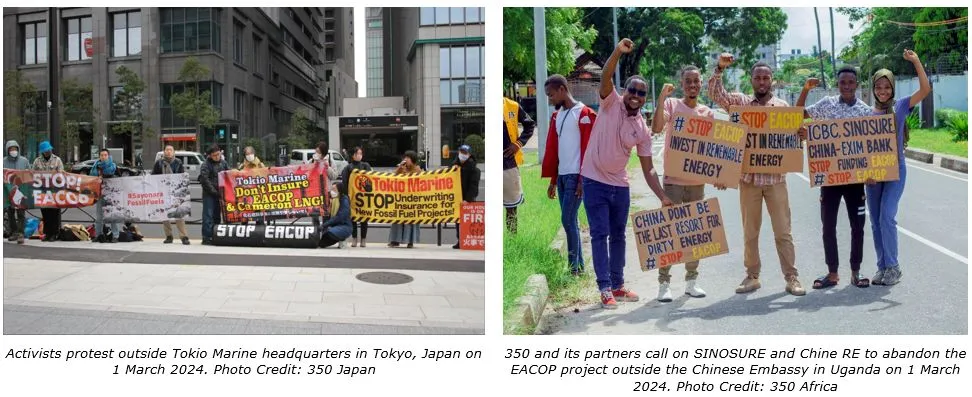
Since 2016, we’ve fiercely opposed the East African Crude Oil Pipeline (EACOP) due to its threats to communities and the environment. This month, we teamed up with global civil society and climate justice partners for a Global Week of Action, called Insure Our Future.
Together, we called on insurance giants like SINOSURE and China Re to stop funding this destructive fossil fuel pipeline. We organized demonstrations, workshops, and protests across Uganda, Tanzania, and the Democratic Republic of Congo in EACOP-affected areas. In solidarity, our activists in the US, the UK, and Japan also targeted major insurers such as Tokio Marine, AIG, and Probitas.
And the best news? Our efforts didn’t go unnoticed. Probitas 1492, a major insurance company, has now pledged not to insure EACOP and the West Cumbria Coal Mine (another fossil fuel project in the UK). Our collective efforts during the Global Week of Action made this victory possible. Onward to the next!
Navigating the Nuclear Hype
Nowadays, nuclear power is being marketed as a ‘miracle’ substitute for fossil fuels. At COP28, over 20 countries announced plans to triple nuclear energy output by 2050. We strongly oppose this.
The science is crystal clear: nuclear energy is a dangerous distraction. Building nuclear plants is expensive and time-consuming, and they create long-lasting environmental damage due to toxic waste.
Ironically, as climate change worsens, nuclear waste that was once buried will also resurface, causing significant harm to the environment, food supplies, and people’s lives in those regions.
11 March is the anniversary of the Fukushima Nuclear disaster in Japan which was set in motion by a tsunami and earthquake. This disaster, forcing the evacuation of over 25,000 people, is a tragic reminder of the devastating human cost of nuclear power.
We need to prioritize safe, democratic, and real renewable energy sources like solar and wind.
350 Pacific partner, Jo Jikum hosts Nuclear Victims Remembrance Day Art Exhibition on 29 Feb – 2 March in the Marshall Islands, showcasing the deep impact of nuclear disasters on communities and ecosystems. Photo Credit: Jo Jikum
Celebrating Our True Climate Leaders
Use Your Power
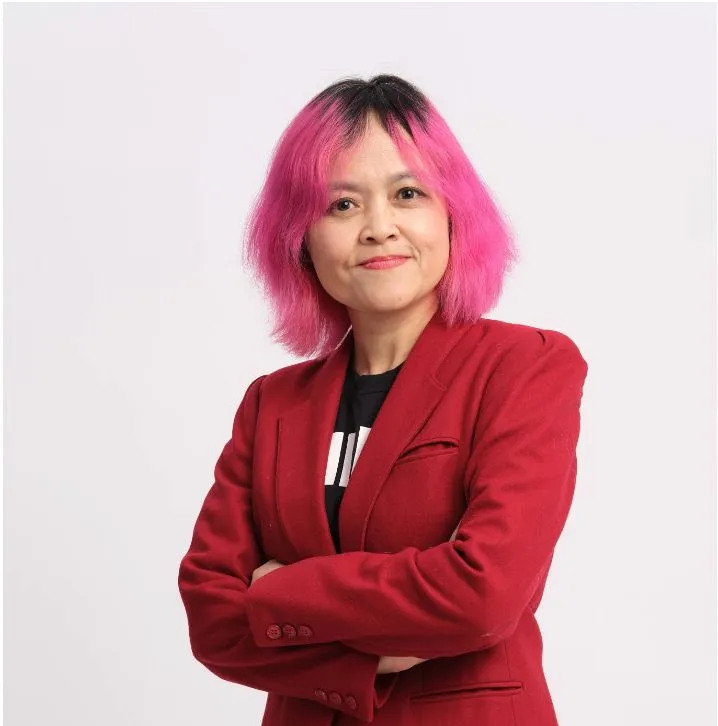
Skill Up Your Activism
Climate change has deep and far-reaching consequences. It impacts different populations differently. This is especially true for those who already face inequalities – women, the elderly, people with disabilities, and minority groups.
For inclusive climate solutions, we must understand how the climate crisis affects everyone, especially vulnerable communities.
This free online course is a wonderful resource to get started. You can take your climate activism one step further by exploring the links between gender, human rights, and climate change. Plus you will also learn practical tools to shape truly people-centered climate solutions!
Quote of the month
“Empowering women is the single most important way to ensure effective climate action”
– Michelle Bachelet, UN High Commissioner for Human Rights.
Related the blogs
News, stories, and insights from the global climate movement.
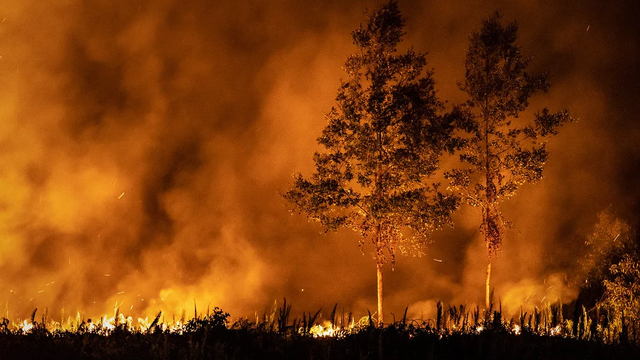
The Haze We All Breathe: A Letter from Kalimantan, Indonesia
The harsh reality of living in the epicenter of Indonesia wildfires, told by a local journalist.
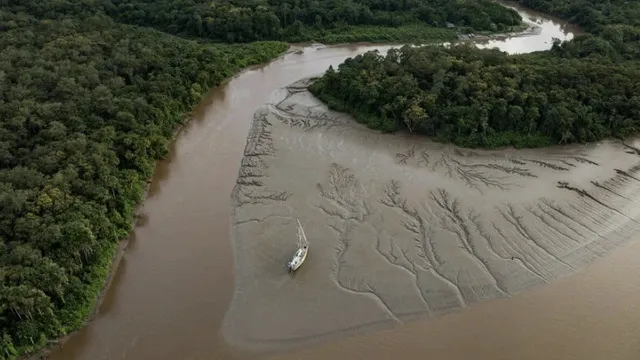
Oil Exploration at the Mouth of the Amazon: a Warning from the Guanabara Bay
Explore the impact of amazon oil exploration on local communities and ecosystems in Guanabara Bay, Brazil.